

Industry insights · Experiential events
The best experiences now feel like places, not programmes
Audiences no longer judge an event by how big it looks. They judge it by how it feels to be inside it, and whether they would come back.
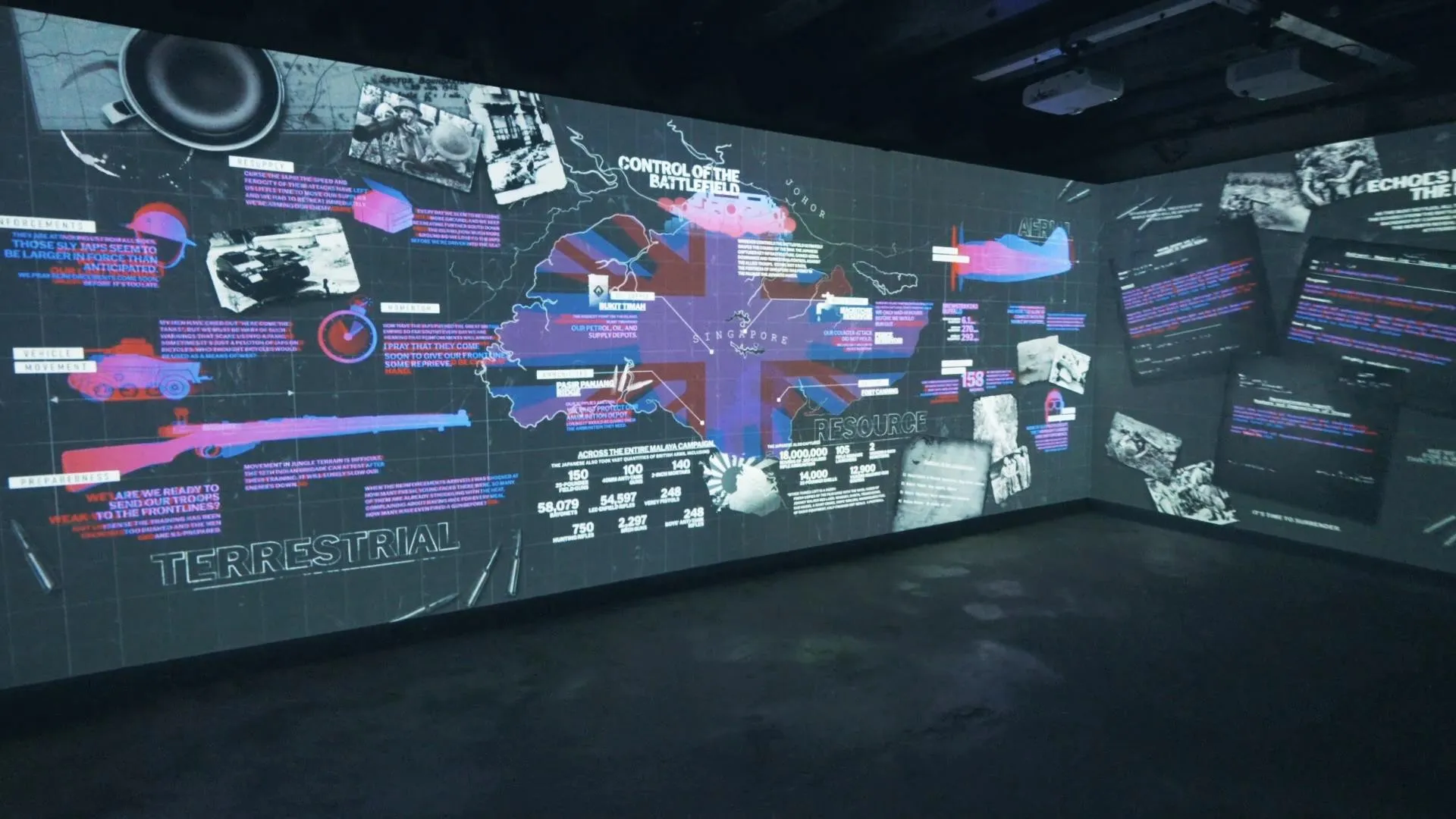
BattleBox, Fort Canning. Project by PushButton Consortium.
For a long time, an event was a programme. A stage, a running order, a few hours of content and a crowd facing one direction. Success meant a full room and a good photo for the press release.
That model still has its place, but audiences have moved. People now expect to step into something, not just watch it. They want to touch it, play with it, share it and leave with a story that is their own. The best experiences today feel less like a programme and more like a place.
From watching to taking part
The shift is simple to describe and hard to do well. Instead of one message delivered to everyone, the experience offers many small moments that each visitor discovers in their own order. A wall that reacts when you touch it. A room you have to solve to leave. A station where you record your own version of the story.
When people take part, they slow down. They talk to each other. They remember more, because they did something rather than saw something.
One story, online and on site
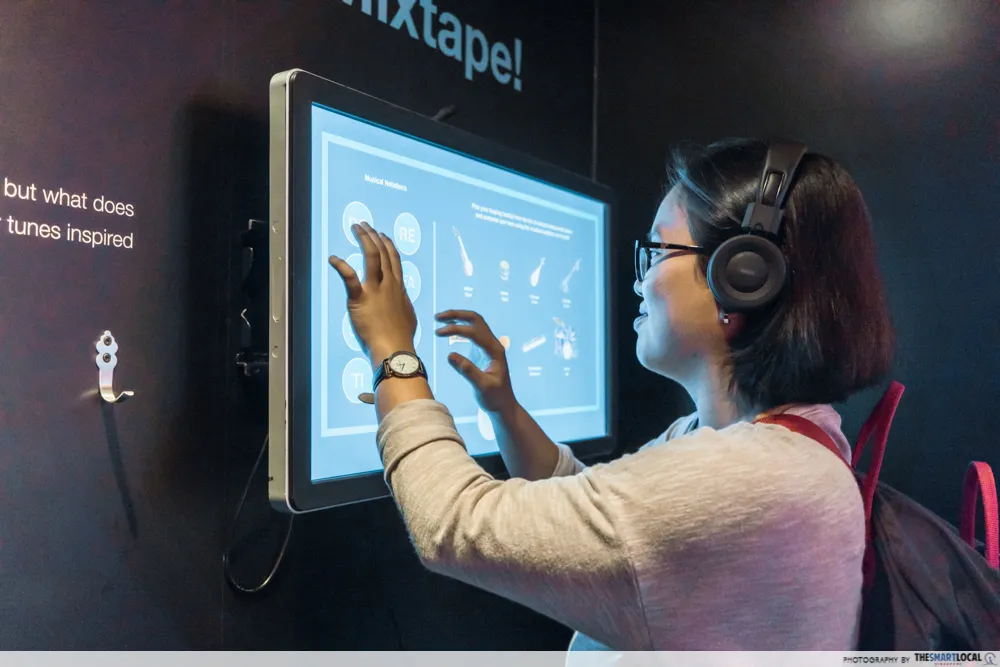
The line between the physical and the digital has mostly disappeared for audiences. They find an experience on their phone, book it on their phone and share it from their phone. If the online story and the on-site story do not match, they notice.
The strongest experiences are designed as one journey: the teaser, the booking, the arrival, the moment inside and the post afterwards all feel like the same world. That is what people mean by phygital. It is not a screen bolted onto a booth. It is one story told in every place the audience meets it.
Technology is at its best when nobody talks about it. People should remember the feeling, not the projector.
Built to last longer than a weekend
Temporary activations will always matter, but there is growing interest in experiences that stay. Permanent and long-run attractions give venues and destinations a reason for people to return, bring friends and come back when something new is added.
Stories that audiences already love, from heritage and history to well-known characters and IP, give these experiences a head start. The work is to turn a story people know into a place they can walk through.
Measuring what matters
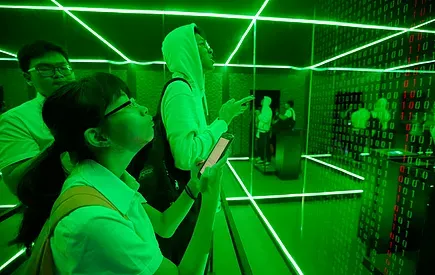
Footfall is easy to count and easy to misread. A busy room is not the same as an engaged one. More useful questions are how long people stayed, which moments they lingered at, what they shared, and whether they came back or recommended it.
Planning for these measures from the start changes the design. It pushes teams to build moments worth staying for, and to make the experience easy to talk about.
What this means for brands and destinations
Start with the feeling you want people to leave with, then work backwards. Choose a story worth stepping into. Design the whole journey, not just the room. Let technology serve the story. And plan from day one for the second visit, not just the first.
The audiences are ready. The question is who will build the places they want to visit next.

About the contributor
Clarence Chiuh
Founder, PushButton Entertainment
Clarence Chiuh is the founder of PushButton Entertainment and leads its business development. He specialises in design and build for experiential creation, and brings together sales and marketing strategy, creative direction and operational management to drive brand synergy and market impact.
Connect on LinkedInLeading the way in experiences, entertainment or destinations? We are inviting industry leaders to share their perspective.
Share your perspective